
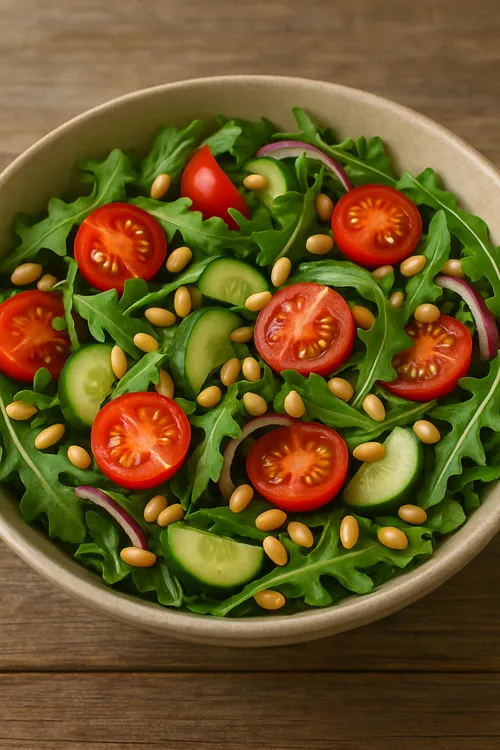
Why pine nuts elevate salads and gourmet nut mixes
Whether in premium salad bars, ready-to-eat bowls or luxury nut assortments, pine nuts add a signature buttery flavour, premium texture and high-value appearance. Retailers often use pine nuts strategically to position a mix as “gourmet” or “Mediterranean inspired.”
Key reasons buyers choose pine nuts for these segments include:
- Delicate crunch that pairs well with leafy greens and soft cheeses.
- Premium perception — pine nuts signal quality to consumers instantly.
- Visual appeal through their elongated, ivory-colored shape.
- High versatility in both sweet and savory formulations.
Choosing the right pine nut grades for salads and mixes
Pine nuts come in several quality levels, with Turkish pine nuts prized for flavour and size. The grade chosen affects product appearance, pricing and consumer expectations.
1. Extra-large whole pine nuts
Suitable for ready meals, retail salad toppings and high-end nut mixes. Their size adds a luxury touch.
2. Standard whole pine nuts
The most common choice for packaged salads, snack mixes and granola. Balanced value–performance ratio.
3. Broken pine nuts (halves & pieces)
Useful for bakery toppings, blended mixes and budget-friendly gourmet formats. Often chosen for their affordability while still delivering flavour.
How manufacturers integrate pine nuts into salads
Pine nuts work exceptionally well in salad concepts featuring Mediterranean ingredients such as tomatoes, olives, grilled vegetables and herbs. They’re particularly effective in:
- Ready-to-eat salad bowls
- Cold pasta salads
- Cheese-based salads (e.g., goat’s cheese or feta)
- Specialty deli and foodservice menus
To prevent moisture absorption and ensure crunch stability, some brands prefer lightly roasted pine nuts when targeting multi-day refrigerated shelf life.
Pine nuts in gourmet nut mixes
Gourmet nut mixes rely on contrasting textures, colour and flavour impact. Pine nuts are often paired with:
- Pistachios for colour contrast and Mediterranean association.
- Hazelnuts or almonds for structure and crunch.
- Dried fruits such as figs, apricots or mulberries for sweetness.
Buyers typically choose pine nut percentages between 5% and 20% depending on target price and positioning.
Sourcing pine nuts in bulk: what buyers should define
Pine nuts are among the highest-value nuts globally, so precise sourcing specifications help ensure predictable performance. Importers often define:
- Origin — Turkish pine nuts are widely preferred for flavour.
- Size calibration — affects both appearance and yield.
- Colour uniformity — a major quality indicator.
- Roast level (raw or light roast).
- Broken percentage limits.
- Bulk packaging — vacuum, nitrogen-flushed or poly-lined cartons.
Popular bulk packaging options
For export programs and mixed-container shipments, buyers usually choose:
- 1 × 10 kg vacuum bags for maximum freshness
- 2 × 5 kg vacuum bags for easier handling in foodservice
- 10–12.5 kg poly-lined cartons for standard programs
Summary
Pine nuts offer unmatched premium appeal in salads and gourmet nut mixes. By choosing the right grade, roast level and packaging format, buyers can confidently position their products at the top of the market while ensuring strong performance and shelf-life stability.
For bulk pricing, specification sheets or mixed-container options, the Atlas team is ready to help you plan your supply program.