Where fresh Aydın chestnuts perform best
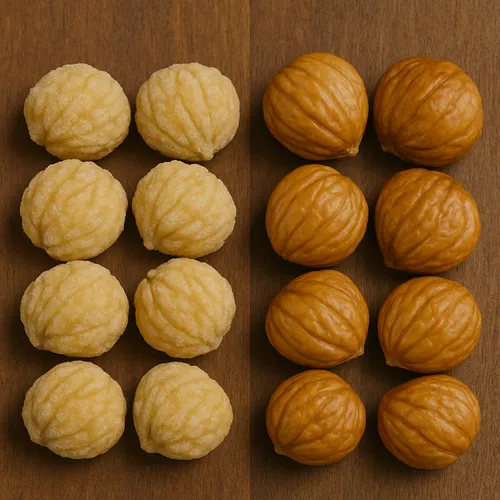
Fresh chestnuts are the traditional format used for roasting, street vending, premium retail packs and seasonal product lines. Buyers choose this format when the visual presentation of the nut is part of the experience — especially in winter markets and supermarkets that promote roasted chestnut stands.
- Peak flavor and aroma when roasted directly from fresh stock.
- Strong visual impact for retail displays and roasting kiosks.
- Variety of calibers (large, extra-large, jumbo) for premium positioning.
- Short processing steps for roasting operations, requiring only scoring and heat preparation.
However, fresh chestnuts require strict control of temperature and humidity, as they continue to breathe after harvest and are sensitive to mold and dehydration. Importers typically plan shipments weekly or biweekly during the season (October–January).
Where frozen chestnuts offer superior performance
Frozen chestnuts are fully peeled, cleaned and ready for immediate use. They are preferred by industrial and food-service buyers whose priority is consistency, convenience and year-round supply availability.
- Zero peeling waste — 100% usable product.
- Stable year-round availability, independent of harvest season.
- Ideal for ready meals, soups, fillings and stuffing concepts.
- Simplifies production by reducing labor and eliminating variability in kernel size.
The frozen format is particularly effective for recipe-driven applications such as chestnut purées, sauces, poultry stuffing and prepared dishes sold by large food manufacturers.
Shelf-life and storage differences
Fresh and frozen formats have distinctly different handling requirements:
- Fresh chestnuts: • Shelf life: 3–6 weeks under controlled conditions • Storage: 0–4°C with high humidity • Requires continuous rotation to maintain quality
- Frozen chestnuts: • Shelf life: 12–24 months • Storage: –18°C • Retains flavor and texture reliably over long periods
For buyers shipping long distances or planning multi-month production cycles, the frozen option typically offers lower risk and higher predictability.
Cost considerations and yield differences
Pricing varies widely due to labor, yield and seasonal volatility. Key differences:
- Fresh chestnuts are priced by caliber, visual grade and market demand (especially in Q4). Yield loss due to peeling and defect removal must be considered.
- Frozen peeled kernels may appear more expensive per kg, but offer:
- zero peeling waste
- fixed usable weight
- stable year-round pricing
- reduced labor costs in factories
In many industrial projects, frozen kernels deliver a better cost–value ratio despite the higher base price, due to the elimination of processing losses.
Which format should you choose?
The right format depends strongly on your business model:
- Roasters, retailers and seasonal kiosks: fresh chestnuts are the clear choice.
- Ready meal and stuffing manufacturers: frozen kernels provide consistency and speed.
- Dessert and gelato producers: frozen kernels or pre-made purées ensure reliable texture.
- Exporters handling multiple markets: frozen formats simplify logistics and inventory management.
Summary
Fresh and frozen Aydın chestnuts each serve distinct market needs. Fresh chestnuts deliver traditional roasting quality and retail appeal, while frozen kernels offer practical advantages in industrial lines, from predictable yield to year-round supply stability.
If you are evaluating formats for a specific project — roasting, stuffing, dessert, meal kits or large-scale manufacturing — our team can prepare detailed specifications and tailor packaging solutions for your needs.